
G1.X IN-WHEEL DRIVE: PROVEN UNDER PRESSURE
22th May, 2026
Performance on the road begins with validation in the laboratory. Before any drive system reaches a vehicle, it must demonstrate that it can withstand the full range of conditions encountered in real-world operation: water, dust, salt, vibration, electromagnetic interference, and extreme temperatures.
GEM Motors recently completed a comprehensive validation program for its G1.x in-wheel drive platform through certified external laboratories. The results confirm that the G1.x is engineered not only for efficiency and compact integration, but for long-term reliability in demanding environments.
Environmental Protection Validated to IP67
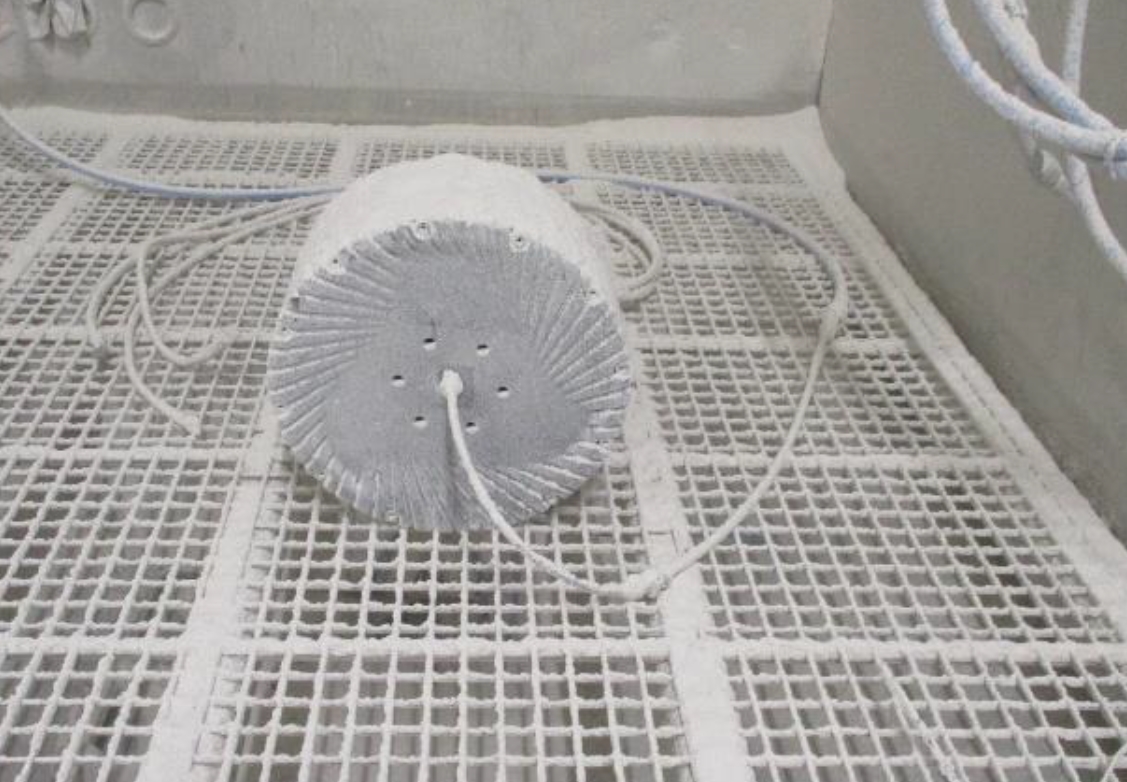
In-wheel drive systems operate in close proximity to the road surface, which exposes them directly to dust, water, and debris. To verify protection against these conditions, the G1.x motor was tested to IP67 standards under IEC 60034-5.
The dust test involved continuous exposure to fine talcum powder under reduced pressure for eight hours. The water immersion test then subjected the motor to full submersion. Post-test inspections confirmed no dust or water ingress in either case, and the motor remained fully functional with no performance degradation.
Corrosion Resistance Confirmed After 384-Hour Salt Spray
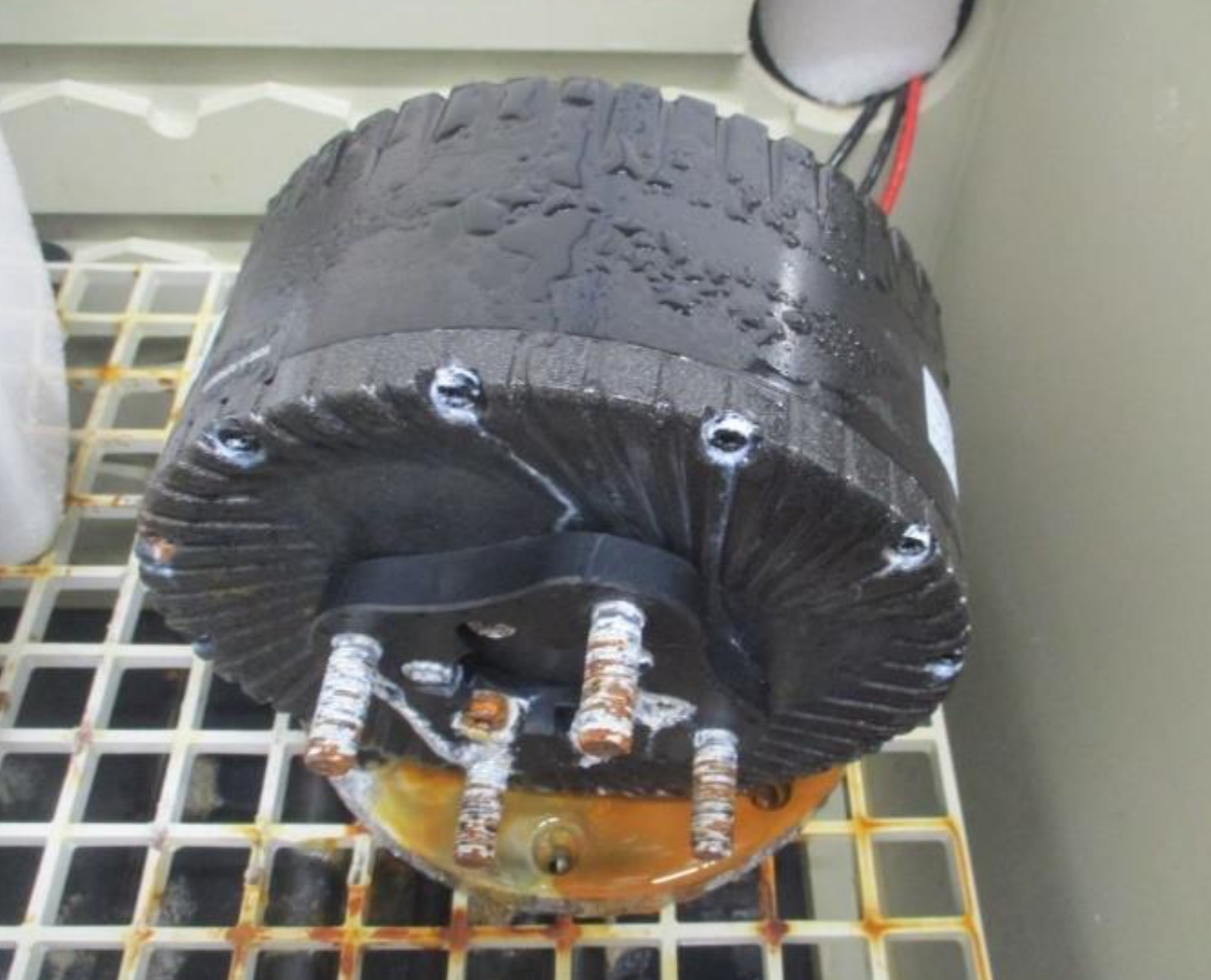
Vehicles operating in coastal regions, humid climates, or on winter roads treated with de-icing salt face prolonged exposure to corrosive conditions. To address this, the G1.x motor underwent a 384-hour salt spray test following ISO 9227 standards, conducted in a controlled chamber at 35 °C using a sodium chloride solution.
While surface oxidation developed on external metal components as expected, post-test inspection confirmed that internal mechanical integrity was fully maintained and operational reliability was unaffected. The motor continued to perform to specification.
Mechanical Durability Verified Under Broadband Vibration
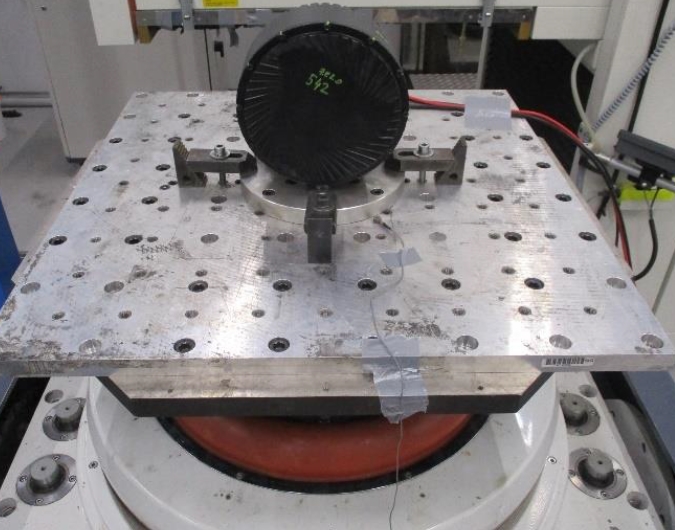
Road surfaces and vehicle dynamics subject drive systems to constant vibration across a wide frequency range. To evaluate structural resilience, the G1.x motor was subjected to broadband random vibration testing in accordance with EN 60068-2-64 standards.
The test covered frequencies from 20 Hz to 2000 Hz with an acceleration of 107.3 m/s² RMS, applied across all three axes over eight hours. Following the procedure, the motor maintained its torque generation capability and matched pre-test performance benchmarks. Internal inspection confirmed no damage affecting functionality.
Electromagnetic Compatibility (EMC) Tested to ECE R10
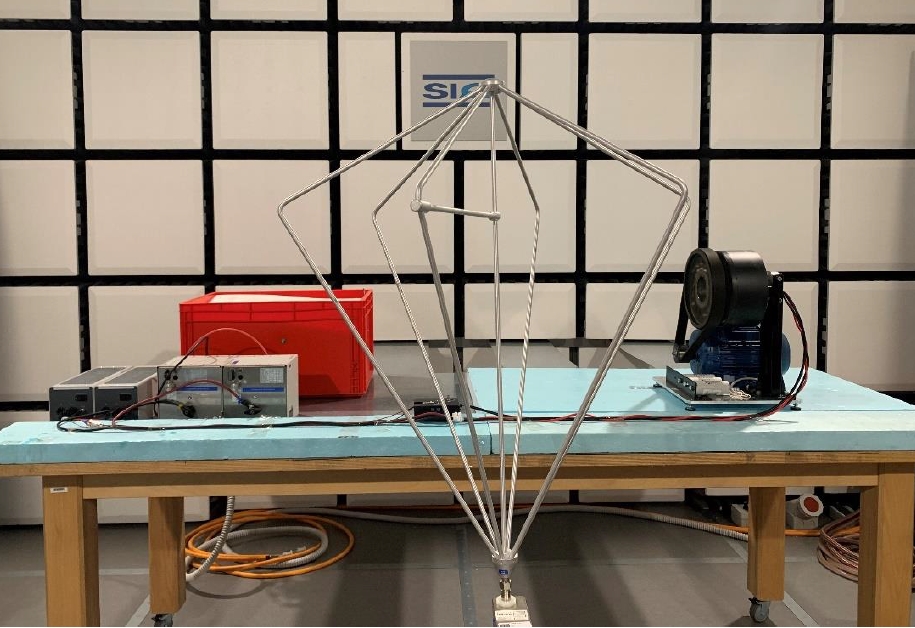
Modern electric vehicles operate in increasingly complex electronic environments, where multiple systems must function reliably alongside each other and remain stable in the presence of external electromagnetic disturbances.
The G1.x platform successfully passed ECE R10 electromagnetic compatibility testing, conducted by an accredited external laboratory. Testing covered both emission and immunity procedures, including radiated and conducted emissions (CISPR 25, ISO 7637-2) and immunity to electromagnetic radiation, transient disturbances, and bulk current injection (ISO 11452-2, ISO 11452-4). In all cases, the motor met performance criteria A, meaning all functions remained fully operational during and after exposure.
Stable Operation Confirmed Across Extreme Temperatures
Electric propulsion systems must deliver consistent performance regardless of climate, from alpine winters to hot urban environments. The G1.x motor underwent a series of climatic tests following IEC 60068-2 standards, covering cold exposure at –40 °C, dry heat at +55 °C, and five full temperature cycles between both extremes at a rate of 5 K per minute.
During the final phase of each test, the motor was operated under active load conditions. Throughout all climatic testing, the motor remained fully functional with no visible damage or degradation, confirming reliable performance across a wide thermal envelope.
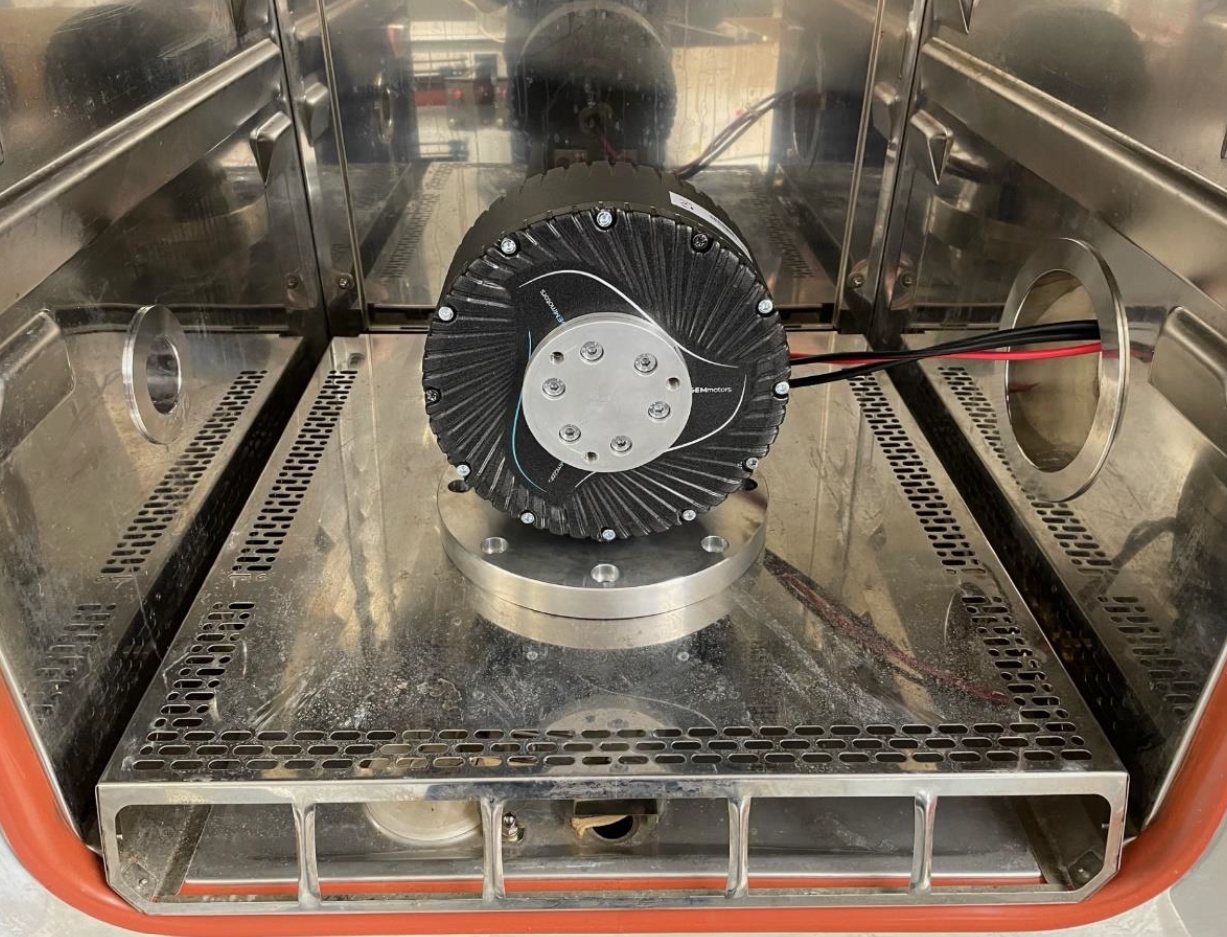
Key Validation Highlights of the GEM G1.x Platform
- IP67 environmental protection – IEC 60034-5: No dust or water ingress confirmed under full immersion and reduced-pressure dust exposure
- 384-hour salt spray test – ISO 9227: Internal integrity maintained after prolonged corrosive exposure
- Broadband random vibration – EN 60068-2-64: Torque generation and performance unaffected across all three axes at 107.3 m/s² RMS
- Electromagnetic compatibility – ECE R10: Emission and immunity criteria fully met, all functions operational throughout
- Climatic testing – IEC 60068-2: Stable operation confirmed from –40 °C to +55 °C through cold, heat, and thermal cycling
- ESD testing – ISO 10605:2023: Motor fully functional after contact discharges up to ±8 kV in powered-up mode
Validation as a Core Part of Engineering
Validation testing often remains invisible to vehicle manufacturers and end users, yet it represents one of the most consequential stages of electric drive development. For in-wheel systems in particular, where the motor operates directly at the road surface and is exposed to the full range of environmental conditions, validated protection levels directly affect system lifetime and vehicle uptime.
For GEM Motors, the completion of this validation program reflects the broader engineering commitment behind the G1.x platform: developing compact, integrated drive solutions that combine performance, efficiency, and the durability required for serious real-world deployment across motorcycles, scooters, light vehicles, and autonomous mobility platforms.
“Validation is where engineering meets accountability. Passing these tests through independent certified laboratories confirms that the G1.x platform is genuinely built for the conditions our customers’ vehicles will face in real enviroments, not just for controlled demonstrations. That assurance of reliability and durability is part of what we deliver alongside the technology itself,” stated Simon Mandelj, CEO and Founder of GEM Motors.
FAQ
- What IP rating does the G1.x motor carry?
IP67, which is confirmed full protection against dust ingress and temporary 1m water immersion for 30minutes, making the motor suitable for exposed, wet, and dirty operating environments. - How long was the corrosion resistance test?
384 hours in a controlled salt spray chamber, simulating prolonged exposure to coastal, humid, or winter road conditions. - Was vibration testing applied in all directions?
Yes, testing covered all three axes at 107.3 m/s² RMS across frequencies from 20 Hz to 2000 Hz with peak acceleration of 20g. - What temperature range was the G1.x validated for?
From –40 °C to +55 °C, including repeated thermal cycling and active motor operation throughout. - Were tests conducted by independent laboratories?
Yes, all validation procedures were performed by accredited external laboratories against established international standards.


 Photographer: Stephane Couchet