
GEM MOTORS INNOVATIVE 4WD IN-WHEEL DRIVE FOR THE AUTONOMOUS ROBOTIC VEHICLE
7th January, 2026
Velo Robotics, a Norwegian developer of advanced robotic platforms, collaborated with GEM Motors to develop a fully autonomous robotic vehicle in partnership with Roboxi. The vehicle is designed for industrial and commercial applications. Built to perform in demanding environments, the autonomous robotic vehicle demonstrates how GEM’s integrated 4WD in-wheel drive technology combines power, precision, and modularity to meet the evolving needs of autonomous mobility.
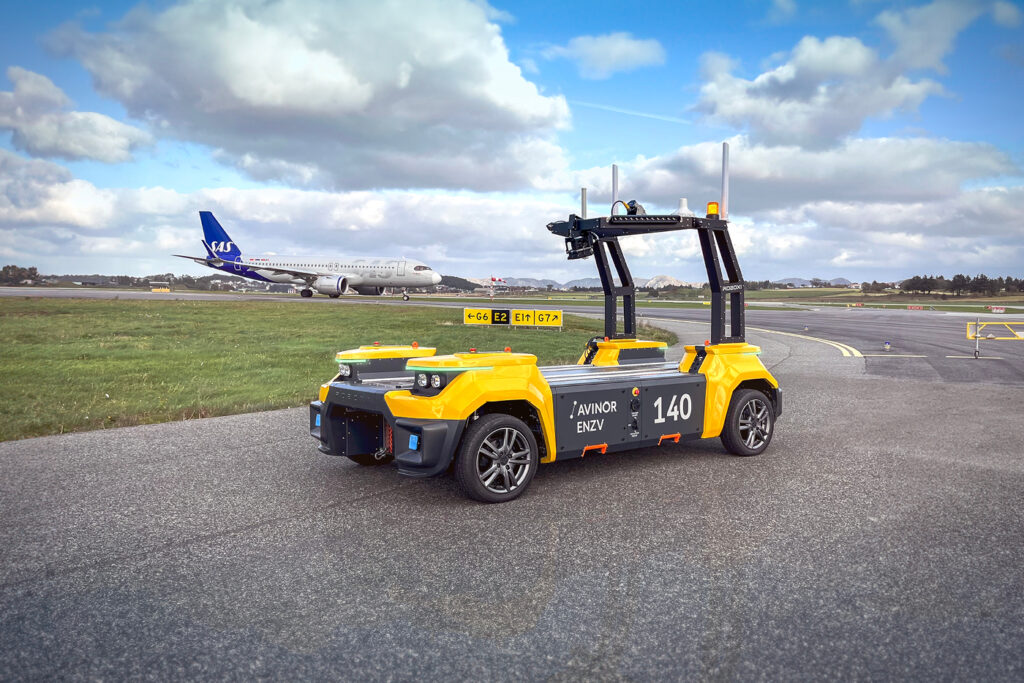
“At GEM Motors, we believe autonomy starts at the core with intelligent, efficient electric drives. Roboxi’s project is a perfect example of how our in-wheel drive technology transforms ideas into reality, enabling a new generation of vehicles that think, move, and perform with precision,” commented Simon Mandelj, CEO and Founder of GEM Motors.
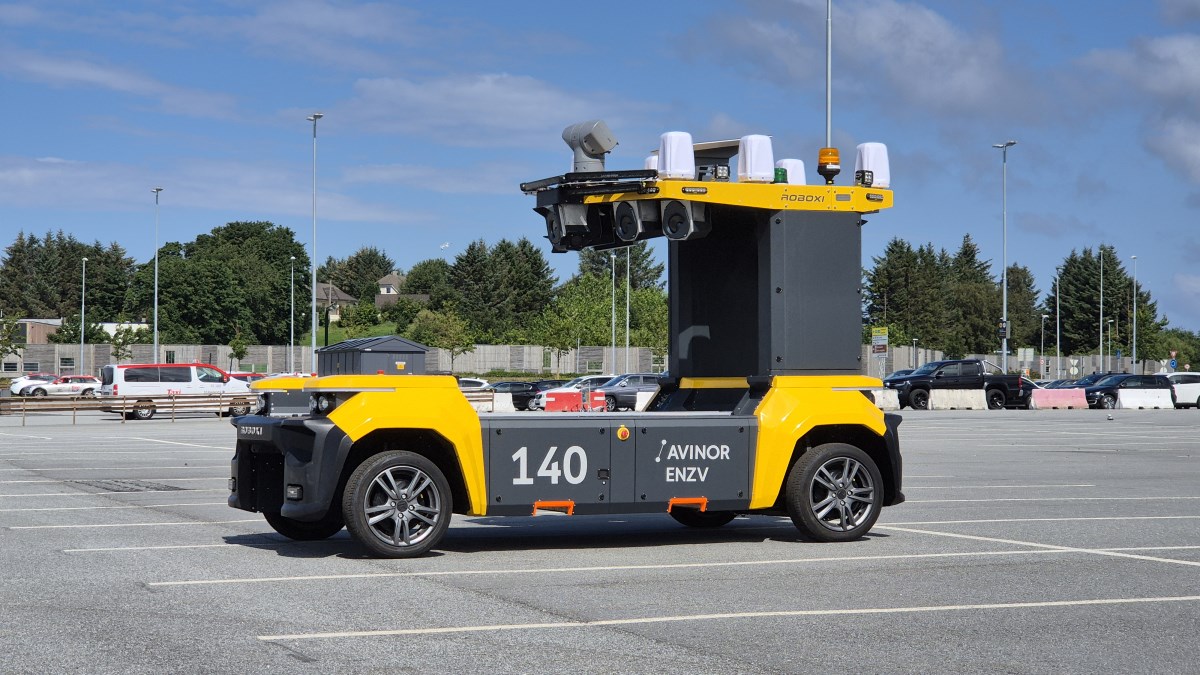
Building a Versatile and Robust Autonomous Platform
Roboxi’s autonomous vehicle is a fully electric autonomous platform developed together with Velo Robotics for industrial and airport environments. Designed for inspection, maintenance, and logistics tasks, it combines intelligent navigation with high durability to ensure safe and efficient operation in demanding outdoor conditions. Its modular design enables quick adaptation to various applications, while autonomous and remote-control modes ensure seamless operation across large areas.
Velo Robotics and Roboxi aimed to create a new generation of autonomous vehicles capable of operating in diverse and challenging conditions, from airport logistics and inspection services to industrial and research applications. To achieve this, the team required a compact, powerful, and durable electric drive system, which led them to partner with GEM Motors, a specialist in innovative in-wheel drive and system integration solutions.
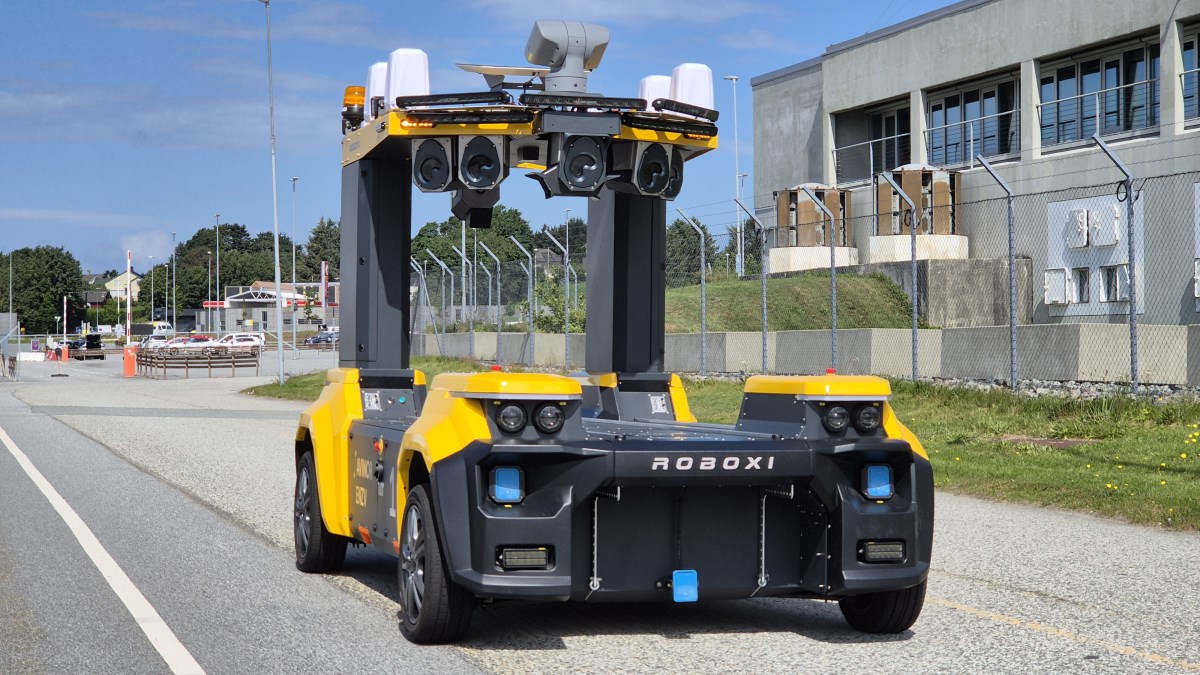
GEM’s 4WD In-Wheel Architecture
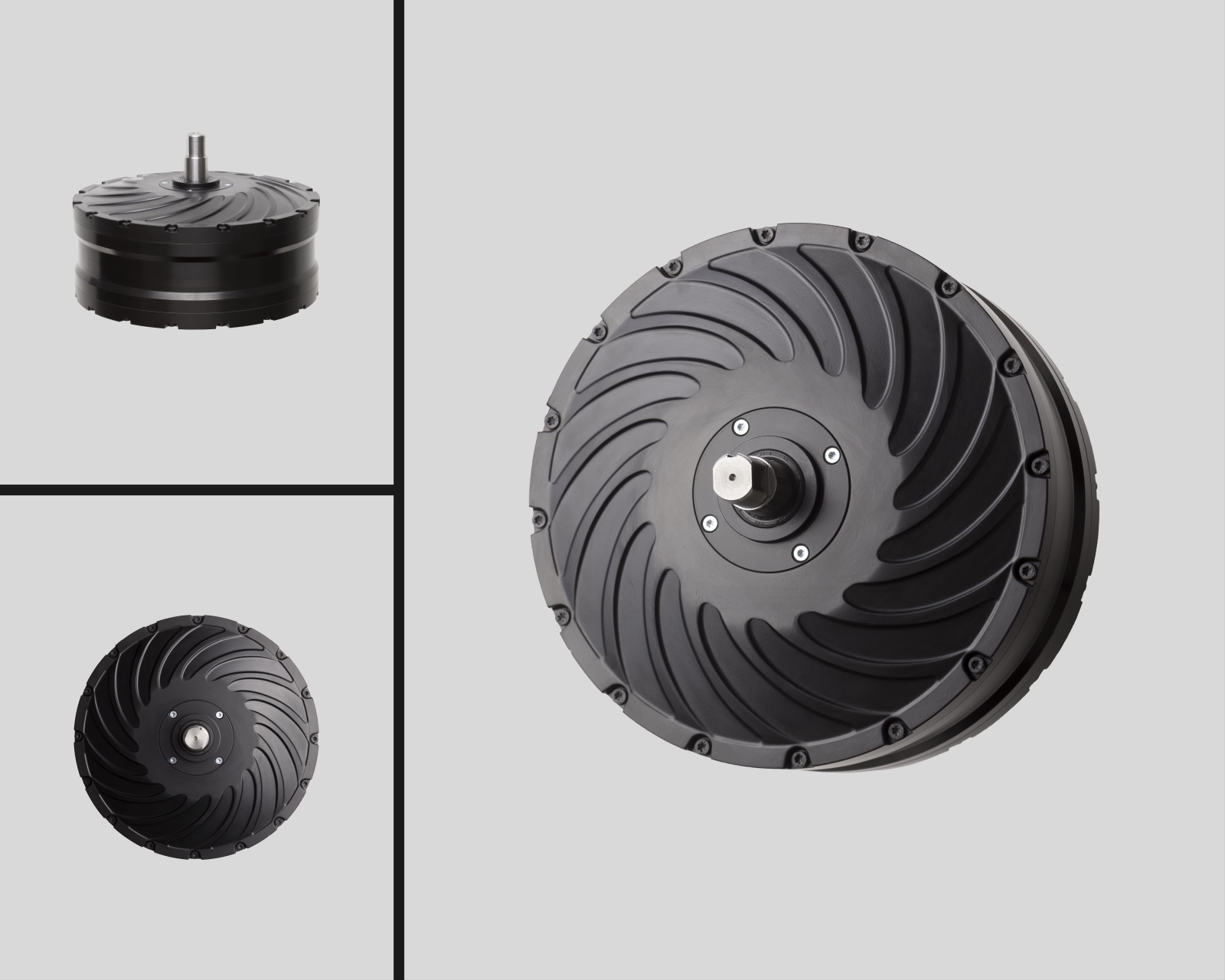
To meet Velo Robotics’ performance and integration goals, GEM Motors supplied its G2.6 in-wheel drive system, delivering up to 280 Nm of torque and 9 kW of power per wheel. The system was integrated with the GEM Vehicle Control Unit (VCU), which ensures seamless communication between the motors and the vehicle’s central control system, including several sensors.
Each wheel operates independently yet in complete synchronization, allowing for precise torque distribution and exceptional maneuverability—both essential for autonomous navigation in dynamic or confined environments. The compact, transmission-free design reduces mechanical complexity and increases energy efficiency, while the sealed, high-durability housing guarantees reliable operation in challenging conditions such as dust, humidity, snow, and temperature extremes.
Key technical highlights:
- Drive system: GEM G2.6 in-wheel motor
- Torque: up to 280 Nm per wheel
- Power: 9 kW per wheel
- Architecture: fully integrated 4WD, modular and scalable
- Control unit: GEM VCU for real-time torque distribution and motor coordination
- Design: compact, transmission-free and sealed for harsh environments IP67
- Efficiency: high energy conversion with minimal mechanical losses
Thanks to this modular architecture, the system can be quickly adapted to different vehicle platforms and load profiles using different power levels and sizes of GEM in-wheel drives. This flexibility supports the scalability and long-term versatility of the autonomous vehicle platform, as well as future developments by Velo Robotics.
Power, Precision and Scalability in Action
By integrating GEM Motors’ technology, Velo Robotics significantly accelerated the transition from concept to a fully operational prototype. The autonomous vehicle achieved outstanding maneuverability through independent wheel control and optimized torque distribution. This resulted in improved traction, stability, and responsiveness across varying terrains.
“We have successfully implemented our technology incorporating GEM Motors’ drives at multiple airports across Europe with excellent results. While we faced minor challenges at the beginning, our close cooperation with GEM allowed us to refine the system and make the technology commercially available worldwide,” added Magnus O. Finnesand, CEO of Roboxi.
Towards Scalable Autonomous Mobility
Following successful validation and field testing, production of the autonomous vehicle platform has begun. The ongoing collaboration between Velo Robotics, Roboxi, and GEM Motors focuses on further enhancing drive performance, efficiency, and sustainability.
“Roboxi is already active at multiple airports across Europe, and by 2026 we aim to deploy our technology on several continents. This expansion represents an important step toward truly global autonomous solutions.”
This project highlights how close collaboration between innovation leaders can redefine the standards of autonomous mobility. By combining Velo Robotics’ expertise in intelligent robotic systems with GEM Motors’ advanced in-wheel drive technology, the partnership is paving the way for the next generation of scalable, high-performance robotic platforms.
“We look forward to our continued collaboration with GEM Motors and truly appreciate the innovative technology they provide. We also value their strong company culture and commitment to excellence. Their dedication to quality and reliability aligns perfectly with our own standards, and we are confident this partnership will deliver outstanding results”, commented Magnus O. Finnesand.
Frequently asked questions
Explore key insights and expert answers on Roboxi case and integrated GEM Motors 4WD in-wheel drive solution:
What is the GEM Motors 4WD in-wheel drive solution?
The GEM Motors 4WD in-wheel drive is a fully integrated electric propulsion system where each wheel on the vehicle is powered independently by a GEM in-wheel drive. It combines high torque, compact design with integrated motor controller, and modular scalability for demanding applications in autonomous and unmanned vehicles.
What makes this system suitable for autonomous robotic vehicles?
Very simple motor integration with the autonomous system using CAN communication, transmission-free architecture reduces mechanical complexity and increases energy efficiency, while independent wheel control provides precise torque distribution, enhanced maneuverability, and better traction essential for autonomous navigation.
Which vehicle was used in the case study?
The 4WD in-wheel drives were integrated into a fully electric autonomous robotic platform developed by Velo Robotics in partnership with Roboxi, designed for industrial, airport, and logistics applications.
What are the key technical specifications of the drive system?
The system uses GEM G2.6 in-wheel motors providing up to 280 Nm torque and 9 kW power per wheel. A dedicated Vehicle Control Unit (VCU) manages communication and synchronization between motors and autonomous vehicle system control.
How does the system perform in tough environments?
The motors are sealed to IP67 standard, ensuring reliable operation in harsh conditions like dust, moisture, extreme temperatures with excelent air cooling system for outdoor work environments and external certification for operation in vibration environment up to 20g.
What benefits does this drive architecture offer over traditional systems?
Independent wheel drives offer superior torque distribution and precise control, lower energy loss due to fewer mechanical components, simple and compact integration, and easier scalability across different vehicle platforms.
Can this technology be adapted to other vehicles?
Yes — the modular design allows quick adaptation to different autonomous vehicle platforms and usage profiles by selecting appropriate in-wheel motor sizes and power levels.
Has the technology been validated in real-world conditions?
Yes — field testing has demonstrated excellent maneuverability, performance, and robustness, and production of the autonomous platform is underway following successful validation. In additional all motors has passed sever external certification tests (IP test, salt spray test, vibration test, temperature schock test, EMC test, safety isolation test).